Buying a brand-new home in Springdale can feel exciting and overwhelming at the same time. You get the appeal of fresh finishes, modern layouts, and fewer immediate repair worries, but you also face builder contracts, upgrade choices, timelines, and details that are easy to miss. If you want to move forward with more confidence, this guide will help you understand what to watch for, what to ask, and how to compare your options in a practical way. Let’s dive in.
Understand how new construction works
New construction is not always as simple as picking a floor plan and waiting for move-in day. In many cases, the builder controls the timeline, the contract, the upgrade process, and sometimes even the preferred lender relationship. That is why it helps to understand the process before you visit a model home or start talking numbers.
Springdale is a growing city, with an estimated population of 89,368 as of July 1, 2024, up from 84,161 in the 2020 Census. That growth helps explain why new communities continue to draw attention from buyers who want more inventory choices and newer homes. It also means you may be comparing several subdivisions, lot types, and builder packages at once.
Know who represents you
One of the most important early steps is making sure your representation is clear in writing. In Arkansas, if a licensee is acting solely as a buyer’s agent, that relationship must be disclosed in writing to the seller or seller’s agent at first contact, before the seller signs a transaction document. The buyer representation agreement is legally between you and the principal broker.
That matters in a builder sale because the builder’s sales representative works for the builder, not for you. If you want advice about price, incentives, contract terms, timelines, or repair requests, it helps to have your own representation set up before those conversations begin. Clear paperwork on the front end can prevent confusion later.
Ask about dual representation early
Arkansas requires written consent for dual representation. If that situation could come up in your transaction, make sure you understand exactly what it means and what you are agreeing to. You should know who is advocating for your interests at every step.
Compare more than the base price
A base price is only part of the picture in a new construction purchase. Your true cost may include upgrades, property taxes, homeowners insurance, mortgage insurance, HOA dues, and possibly supplemental insurance such as flood insurance. Looking only at the advertised price can give you a misleading sense of affordability.
A realistic monthly housing payment may include:
- Principal and interest
- Property taxes
- Homeowners insurance
- Mortgage insurance, if applicable
- HOA dues
- Supplemental insurance, such as flood insurance if needed
You should also budget for upfront costs beyond the purchase price. Buyers may still need to account for selected upgrades and title-related costs, and owner’s title insurance is something you can shop for separately from the lender’s policy if you choose.
Track upgrades carefully
Upgrades can change both your budget and your loan paperwork. If change orders increase the loan amount, updated mortgage disclosures may be required. That is why it is smart to document structural options, finish selections, and add-ons early and keep them aligned with your financing and closing timeline.
Review the builder contract closely
Builder contracts often differ from standard resale transactions. They may include specific deadlines, deposit terms, construction milestones, and language about delays or finish substitutions. Before you sign, make sure you understand what is required of you and what happens if the timeline changes.
The Consumer Financial Protection Bureau recommends making a purchase offer and sales contract contingent on both financing and a satisfactory inspection. For homes that are not yet complete, the builder may ask for an upfront builder deposit or earnest money. You should ask exactly when that deposit is refundable and under what circumstances.
Shop lenders instead of assuming
You do not have to use the builder’s affiliated lender. You can shop around for a mortgage and compare terms that may work better for your goals. Even if the builder offers an incentive tied to a preferred lender, it is still worth comparing the full cost and structure of your options.
Inspections still matter on a new build
A brand-new house can still have issues. Items may be incomplete, incorrectly installed, or missed during construction. That is why an independent inspection remains one of the most important parts of your due diligence.
A satisfactory-inspection contingency can help protect you if serious flaws are found. Scheduling the inspection before closing gives you more leverage to address defects while the transaction is still open. It is generally easier to resolve punch-list items before closing than after you own the home.
Use a state-registered inspector
In Arkansas, anyone who advertises as a home inspector or performs home inspections for a fee must be registered with the state board. The state also offers a searchable roster for consumers. That gives you a practical way to verify that the inspector you hire is properly registered.
Understand permits and city oversight
City approvals are important, but they are not a substitute for your own review. Springdale actively regulates development, and the city’s reporting shows that sites of 0.5 acres or more must submit a plan and obtain a grading permit. Construction site inspections are performed weekly, stormwater inspections are performed monthly, and final inspection is required before final-plat approval and the issuance of a certificate of occupancy.
Those checks matter, but they serve a different purpose than a buyer’s inspection. City oversight helps confirm compliance with local development requirements. Your own due diligence helps you evaluate the specific home, lot, drainage concerns, and contract terms that affect you directly.
Compare lots and drainage in Springdale
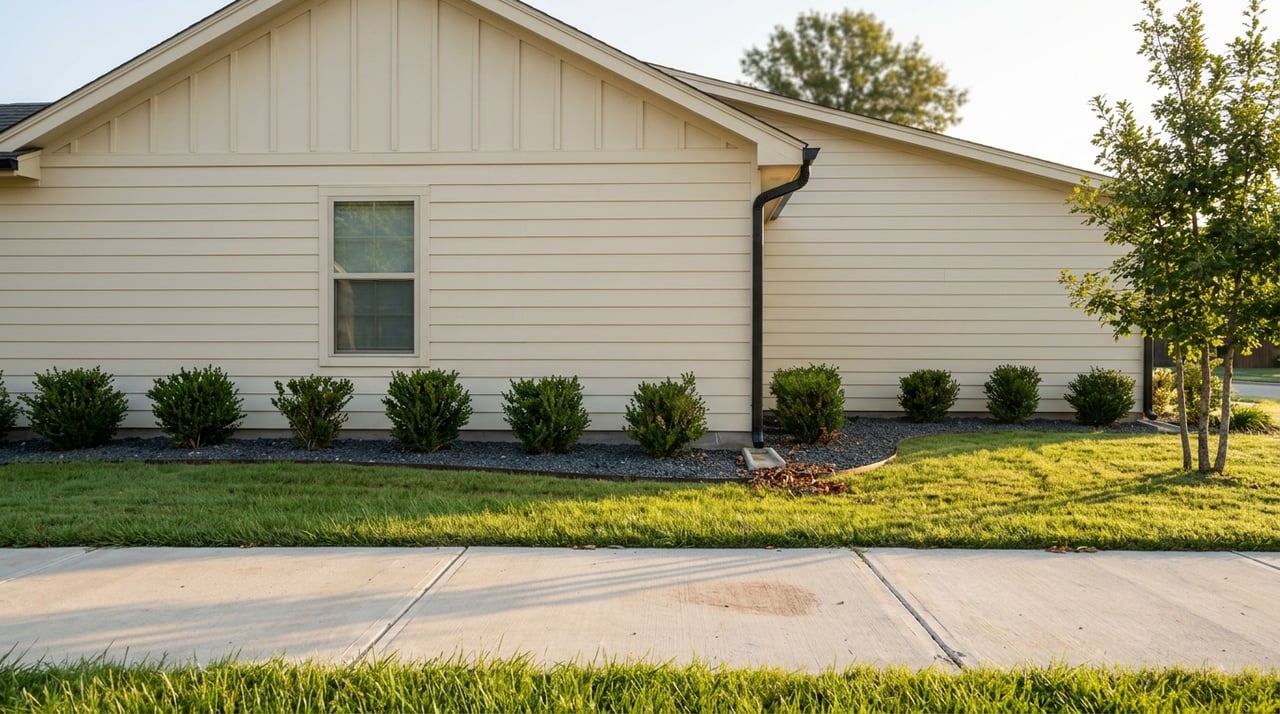
In Springdale, the lot itself deserves close attention. The city’s public GIS includes parcel, building footprint, street, park, stream, and stormwater layers. That makes it useful when you are comparing lot locations, neighborhood layout, nearby drainage features, and how a property fits within the surrounding area.
This is especially relevant because Springdale’s stormwater reporting notes that developments with detention ponds must certify the pond and recertify it annually. Post-construction inspection standards are also part of city oversight. If a lot sits near streams, detention areas, or visible drainage features, ask detailed questions about water flow, grading, and stormwater design.
Questions to ask about a lot
When you are comparing homesites, consider asking:
- Is the lot near a detention pond, stream, or drainage area?
- How does water move across the lot during heavy rain?
- Are there HOA responsibilities tied to common drainage features?
- What stormwater elements are nearby in the subdivision layout?
- Are there any supplemental insurance considerations for this location?
These questions can help you compare two similar homes that may have very different long-term practical considerations.
Read the warranty with care
Many buyers hear “new home warranty” and assume they are fully covered. In reality, warranty terms vary and exclusions matter. A builder warranty is different from a home warranty, and you should review the written terms carefully before you rely on broad promises.
According to the FTC, many new homes come with a builder warranty that commonly covers about one year for workmanship and materials on many components, two years for HVAC, plumbing, and electrical systems, and up to 10 years for major structural defects in some cases. Warranties often exclude appliances and small cosmetic cracks, and some require mediation or arbitration if a dispute arises.
FHA and VA buyers should compare warranty details
If you are using FHA or VA financing, builders must buy a third-party warranty for newly built homes. That can be a helpful comparison point when you are evaluating builders. It still does not replace an independent inspection or a careful review of the builder’s own written warranty terms.
Keep your closing team objective
Because the builder often drives the process, many buyers want independent guidance as closing gets closer. The CFPB notes that independent settlement agents, including attorneys, may offer objective advice and sometimes lower costs. That can be especially helpful if you want another set of eyes on fees, documents, and timing.
This is where a concierge-style approach can make a real difference. When details are managed well from the beginning, it is easier to keep financing, inspections, upgrades, and deadlines moving together instead of scrambling at the end.
A practical Springdale strategy
If you are shopping new construction in Springdale, keep your focus on the details that affect your outcome most. Start with clear buyer representation, compare the full monthly cost instead of the base price, document upgrades early, and use an independent inspector before closing. Then take the extra step of reviewing the lot and drainage context using the tools and city oversight that are specific to Springdale.
New construction can be a great option when you approach it with a clear plan. If you want a steady local guide to help manage the moving parts and advocate for your interests across Northwest Arkansas, Amanda Gainey brings a concierge approach designed to make the process feel more informed, organized, and less stressful.
FAQs
How does buyer representation work in a Springdale new construction purchase?
- In Arkansas, a licensee acting solely as a buyer’s agent must disclose that relationship in writing to the seller or seller’s agent at first contact, and the buyer representation agreement is legally between you and the principal broker.
Can you inspect a newly built home in Springdale, Arkansas?
- Yes. A satisfactory-inspection contingency can help protect you, and Arkansas requires paid home inspectors to be registered with the state board.
What should you budget beyond the base price of a new construction home?
- You should budget for costs such as property taxes, homeowners insurance, mortgage insurance if applicable, HOA dues, possible supplemental insurance, upgrades, and certain title-related costs.
What should you compare between new construction communities in Springdale?
- Focus on lot location, drainage features, nearby streams or detention areas, HOA obligations, subdivision layout, and how the property fits within Springdale’s broader parcel and stormwater context.
Are Springdale city approvals enough when buying a new construction home?
- No. City inspections and approvals matter, but they are not the same as your own due diligence, contract review, financing protection, and independent home inspection.