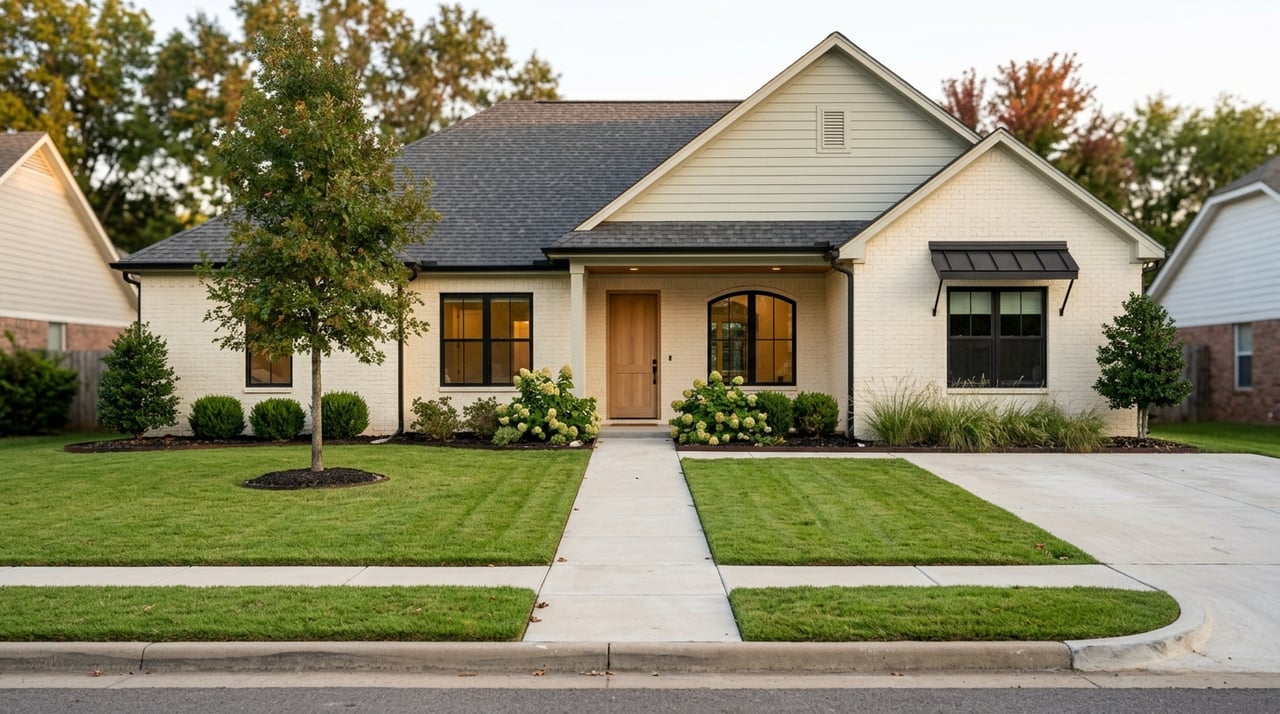
If you want a home base that feels calm without cutting you off from the rest of Northwest Arkansas, Cave Springs deserves a closer look. For many buyers, the challenge is finding a place that offers breathing room, practical daily convenience, and a real sense of community. This guide will help you understand what living in Cave Springs is like, how the housing patterns work, and why so many people consider it for a move. Let’s dive in.
Why Cave Springs Stands Out
Cave Springs is a small city in Benton County with a compact footprint of about 7.7 square miles. The latest ACS-based profile estimates about 6,008 residents, which works out to roughly 776.5 people per square mile. In simple terms, that means you get a community that feels established and connected without feeling crowded.
The city has also seen strong growth. Its public messaging describes Cave Springs as rapidly growing, and local leadership has noted that it was Arkansas’s fastest-growing city per capita during the 2010 to 2020 census period. For you as a buyer, that signals a place that is evolving while still holding onto a smaller-town feel.
What Daily Life Feels Like
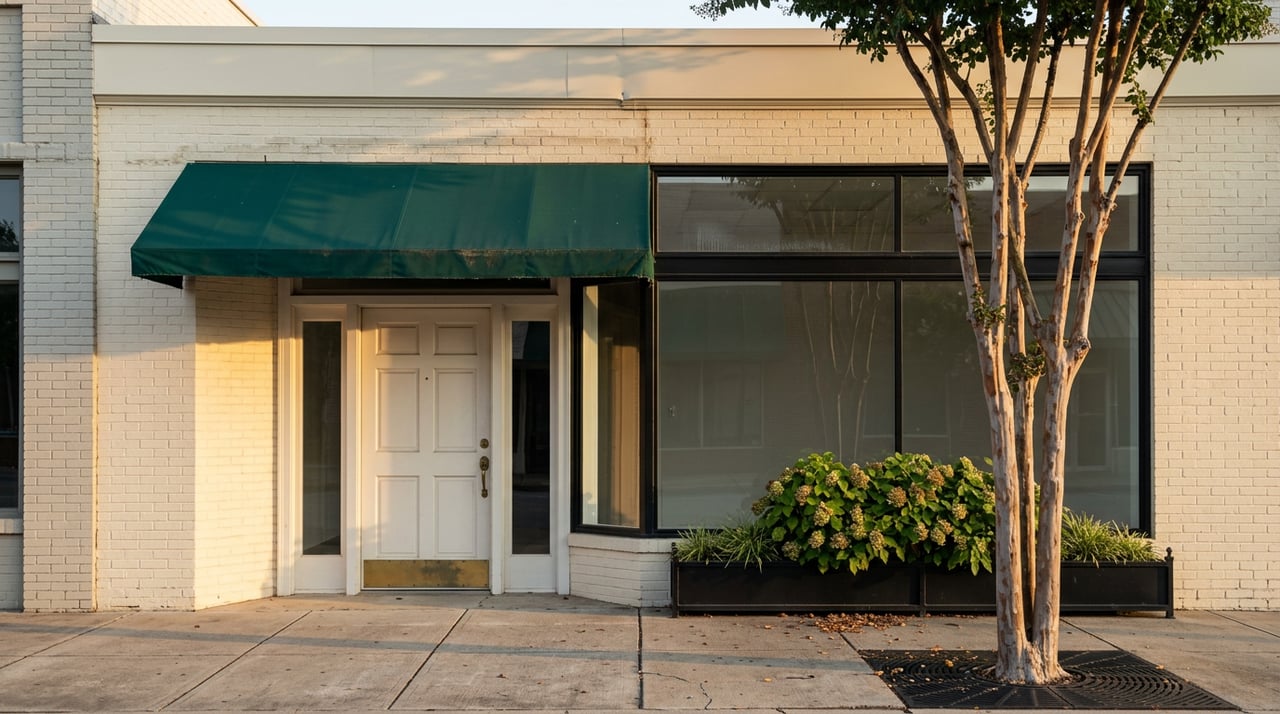
One of the biggest draws of living in Cave Springs is the balance between quiet comfort and practical services. This is not just a subdivision on the map. The city has active local departments for planning and development, public works, building, police, fire, and administration, all centered around City Hall on North Main Street.
That local service structure matters in everyday life. Public works covers water, sewer, streets, and trash service, while the police department describes itself as community-oriented and available 24/7. The fire department is a municipal volunteer department, which adds to the city’s small-community character.
You can also see that Cave Springs is planning for the future rather than reacting to growth after the fact. The city maintains a Vision Plan and a Future Land Use and Master Street Plan. It has also worked on projects tied to the Main Street corridor and downtown revitalization, which points to thoughtful long-term planning.
A Strong Homeownership Community
Cave Springs reads as a place where people tend to put down roots. The Census Bureau reports a 92.5% owner-occupied housing unit rate for 2020 through 2024. That is a useful signal if you are looking for a community with a more settled residential feel.
The housing numbers support that picture. Census Reporter shows 1,877 households and 2,028 housing units, along with a median owner-occupied home value of $460,300. While every property and price point is different, those figures suggest that Cave Springs tends to attract buyers looking for long-term ownership rather than a more transient setup.
Housing Patterns in Cave Springs
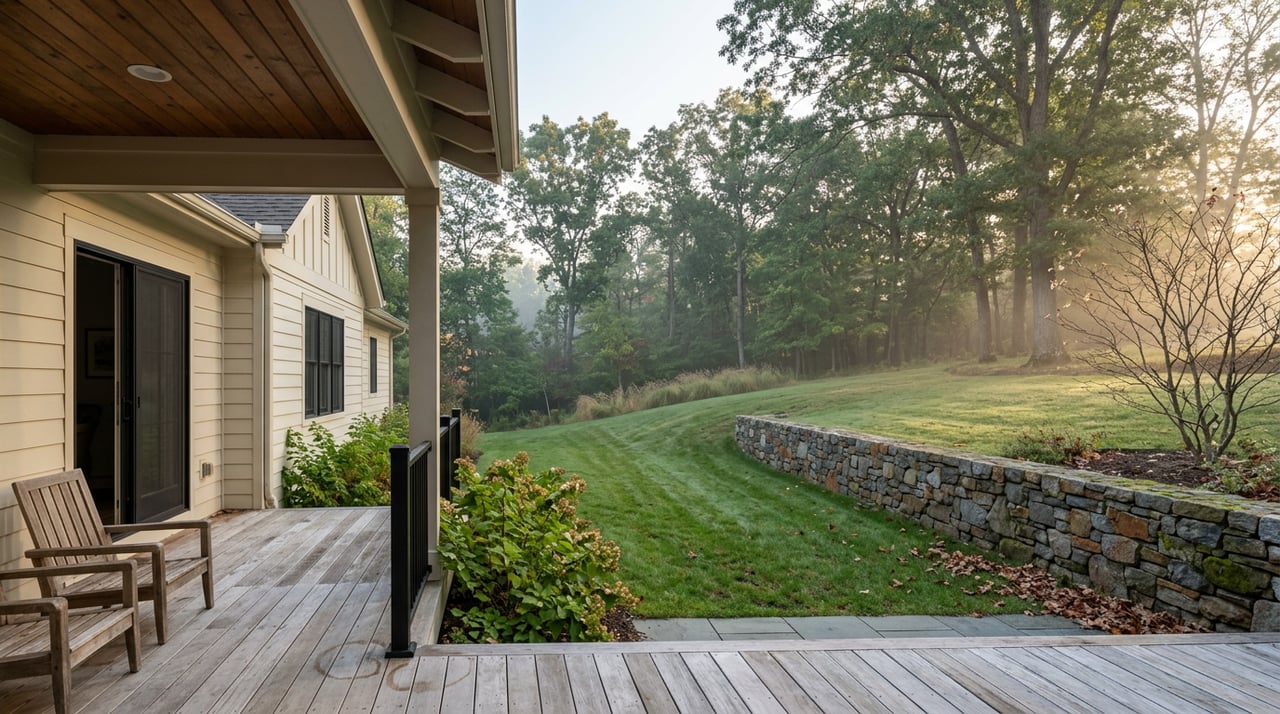
If you are comparing Cave Springs to denser parts of Northwest Arkansas, the zoning tells an important story. The city’s code includes several residential districts that support lower-density development. That gives you a wider range of lot sizes and living styles than you might expect in a growing area.
Here is a simple look at the lot patterns described in the zoning code:
| Residential District | Typical Pattern |
|---|---|
| R-E | Estate-style lots over 2 acres |
| R-1 | Single-family lots of at least 1 acre |
| R-2 | Lots around 0.6 acre |
| R-3 | Lots of 9,600 square feet |
| R-4 | Lots of about 6,500 to 7,000 square feet |
For you, that can mean more choice. Some homes may offer acreage and extra separation from neighbors, while others may be in more conventional subdivision settings with smaller lots and municipal water and sewer service. Overall, the city leans away from a dense urban pattern and more toward residential space and flexibility.
Growth With Structure
In a growing community, one of the most important questions is whether development feels guided or scattered. In Cave Springs, the planning department is actively involved in things like lot splits, lot combinations, lot line adjustments, rezonings, variances, conditional uses, plats, and site plan review. That shows the city is closely managing how land is used as it grows.
For buyers and sellers, that matters. Structured planning can affect how neighborhoods take shape, how roads connect, and how nearby land may change over time. If you are considering a move here, it helps to know the city has a defined process behind the scenes.
Open Space and Community Character
Cave Springs does not present itself like a large suburb with an extensive park district, but open space still plays a visible role in local planning. The zoning code allows open-space preservation through land dedicated as public parks or trail systems. The future land use map also identifies areas such as Lake Keith Recreation Area and park land use designations.
That planning approach helps shape the overall feel of the city. Instead of a heavily commercial environment, Cave Springs comes across as a residential community with civic gathering spaces, open areas, and a more measured pace. The restored Community Building and public workshops also suggest that community life is centered around a few key civic spaces.
Commute Times and Regional Access
A major reason buyers look at Cave Springs is location. You can enjoy a quieter residential setting while still staying connected to larger job centers, shopping, dining, and everyday errands across Northwest Arkansas. That combination is a big part of the city’s appeal.
The road network supports that convenience. Main Street, also Highway 12, is identified as an arterial route, and the traffic light at Main Street and Healing Springs Road, Highway 264 West, became operational in March 2026. Highway 112 is also a key north-south connector from Fayetteville to Bentonville, which helps explain why Cave Springs works well for regional commuting.
Route-planning sources show travel times of about:
- 20 minutes from Cave Springs to Bentonville via AR 112
- 20 minutes from Cave Springs to Rogers
- 19 minutes from Springdale to Cave Springs
- 29 minutes from Cave Springs to Fayetteville
For you, that means daily life can stay pretty connected. Work, shopping, dining, and appointments in Bentonville, Rogers, Springdale, and Fayetteville are all within regular reach, which makes Cave Springs a practical home base for many households.
Who Cave Springs May Fit Best
Cave Springs can be a strong fit if you want more room and a quieter setting while staying close to Northwest Arkansas activity centers. It may especially appeal to buyers who want a single-family home environment, a high homeownership community, and easier access to several cities instead of relying on one central destination.
It can also make sense if you are relocating and trying to narrow down where to live near Bentonville, Rogers, or Springdale. The commute patterns suggest you are not isolated, even though the day-to-day atmosphere may feel calmer than busier nearby areas. For many buyers, that is exactly the sweet spot.
What to Consider Before You Move
Every move comes with tradeoffs, and Cave Springs is no exception. If you want a dense, highly walkable urban setup with a large commercial core, this may not be the right match. Cave Springs is better understood as a small residential city with civic infrastructure, lower-density housing patterns, and regional access to the larger surrounding markets.
It is also smart to think about what kind of lot size and home style you want. Because zoning ranges from estate-style acreage to more standard subdivision lots, your experience can vary depending on the property and area you choose. A local guide can help you compare those options in a way that fits your budget, commute, and long-term goals.
If Cave Springs sounds like the kind of place you have been searching for, working with a local expert can make the process much easier. Whether you are relocating, buying your first home, or planning your next move in Northwest Arkansas, Amanda Gainey offers concierge-style guidance to help you explore your options and manage every detail with confidence.
FAQs
What is living in Cave Springs, Arkansas like?
- Living in Cave Springs offers a quieter residential setting, a compact city footprint, active local services, and convenient access to Bentonville, Rogers, Springdale, and Fayetteville.
How far is Cave Springs from Bentonville?
- Route-planning sources show Cave Springs is about 20 minutes from Bentonville via AR 112.
What types of homes are common in Cave Springs?
- Cave Springs zoning supports a range of lower-density residential options, from estate-style lots over 2 acres to more conventional subdivision lots around 6,500 to 7,000 square feet.
Is Cave Springs a good option for Northwest Arkansas commuters?
- Cave Springs can work well for commuters because it connects to regional routes including Highway 12 and Highway 112, with typical drive times of about 20 minutes to Bentonville and Rogers, 19 minutes to Springdale, and 29 minutes to Fayetteville.
Does Cave Springs feel more urban or more residential?
- Cave Springs generally feels more residential, with lower-density housing patterns, civic gathering spaces, and planning that includes open space and corridor design rather than a dense urban layout.