If you are trying to choose between Downtown Rogers and East Rogers, you are really deciding how you want daily life to feel. Some buyers want a more walkable, historic setting close to events and trails, while others want newer neighborhood patterns, larger lots, and easy access to major roads. The good news is that both parts of Rogers offer strong appeal, just in different ways. Here is how to compare them so you can narrow in on the right fit for your move.
Downtown Rogers at a glance
Downtown Rogers offers a more historic, mixed-use setting with a compact block pattern. According to the City of Rogers Future Land Use and Placetypes guide, the area is defined by entertainment, outdoor gathering areas, shopping, dining, residential uses, and employment opportunities within a small walkable block pattern.
That means your day-to-day experience may include shorter trips to local businesses, public spaces, and downtown events. If you enjoy being closer to activity and like the feel of an established city center, Downtown Rogers often stands out quickly.
East Rogers at a glance
East Rogers is best understood as the city’s newer eastern residential and corridor areas. The city’s planning documents describe these areas with more suburban neighborhood patterns, including detached homes on individual lots, larger lots, private outdoor space, and corridor-based access to retail and services.
In practical terms, East Rogers often appeals to buyers who want a more traditional subdivision feel or who prefer a home setting that is more separated from the downtown core. It can also be a strong match if major road access is high on your priority list.
Housing styles feel different
Downtown Rogers homes
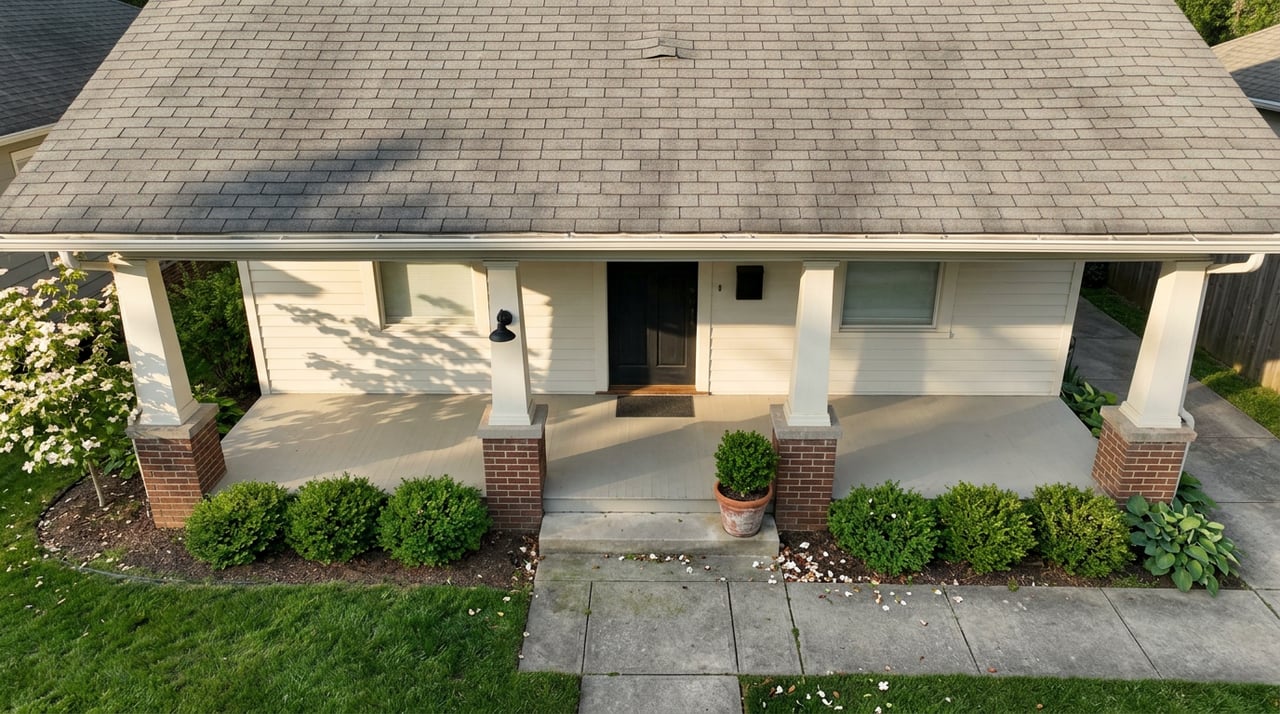
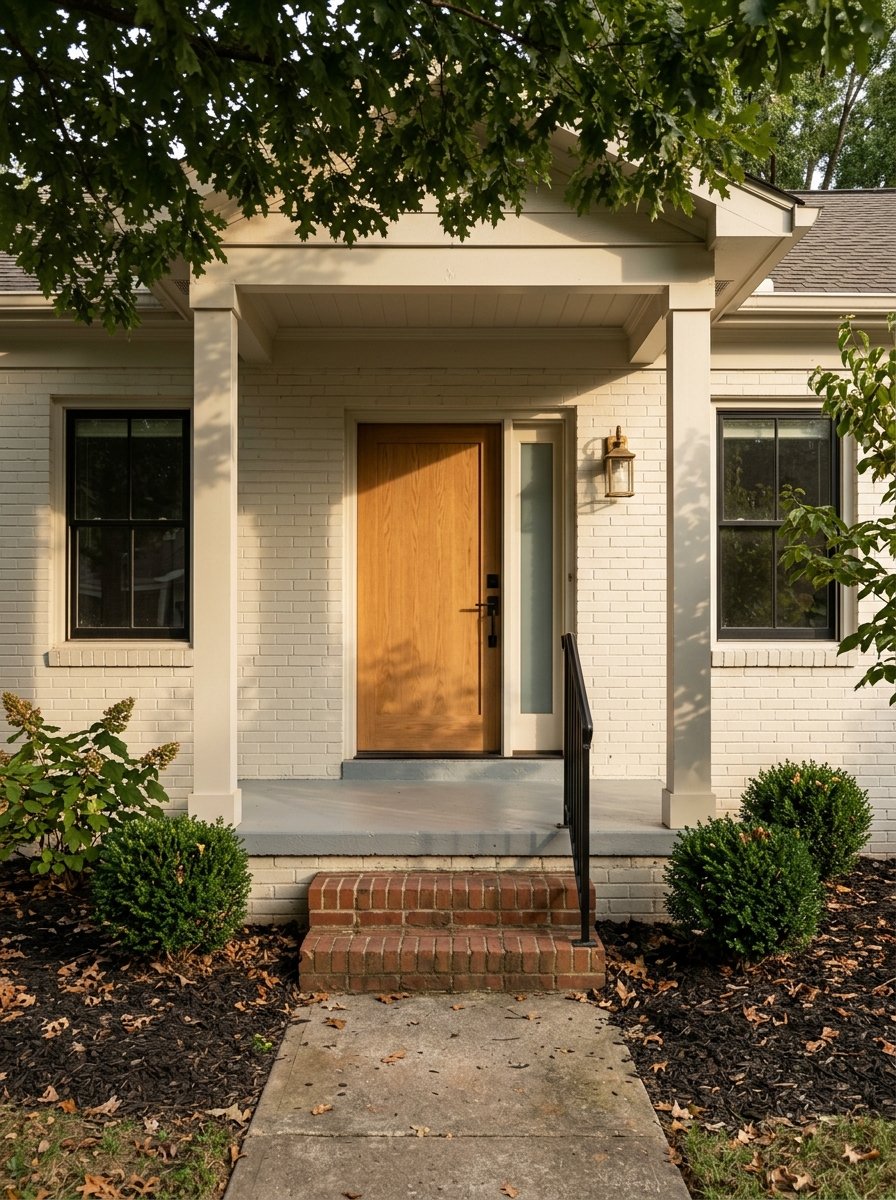
Downtown and nearby neighborhoods tend to reflect an older lot-and-block pattern with alleys and a mix of architectural styles, periods, and scales. Based on the city’s land use guidance, this creates a more varied housing stock than you may see in newer subdivisions.
For you, that can mean more character, more variety, and a streetscape that feels less uniform. It can also mean each block has its own personality, so touring in person matters.
East Rogers homes
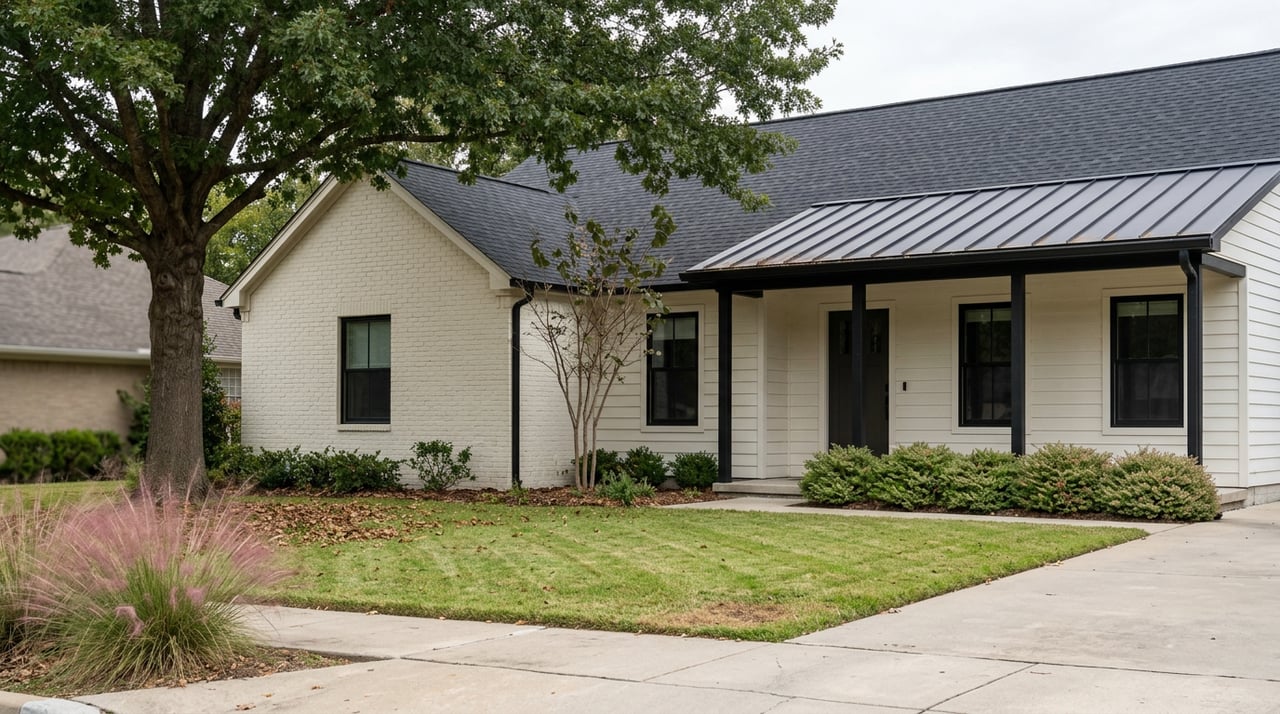
In East Rogers, you are more likely to see the suburban-neighborhood pattern the city describes in its planning documents. That usually means detached homes, larger lots, and private outdoor space.
If you want a layout that feels newer or more predictable from one subdivision to the next, East Rogers may feel more familiar. Buyers who value yard space and a more spread-out residential pattern often prefer this side of town.
Renovation and design rules matter downtown
One of the biggest practical differences is how exterior changes are handled in historic areas. In Downtown Rogers, the Historic District Commission reviews exterior alterations, new construction, and demolition in designated historic districts, with guidelines intended to keep work compatible with the historic streetscape.
If you love the idea of restoring or updating an older home, this is not necessarily a drawback. It simply means you should understand review requirements early if your plans include additions, major exterior updates, or new construction.
Daily errands and conveniences
Downtown Rogers lifestyle
Downtown Rogers tends to support a more activity-based lifestyle. The area includes the Railyard Entertainment District, and it sits close to Lake Atalanta Park, which the city describes as 236 scenic acres with a lake, hiking and biking trails, paved trails, a bike park, dog parks, playgrounds, and pavilions.
Downtown also benefits from recurring public events. Resources from Destination Rogers highlight local programming such as the Rogers Local Food & Art Market and Railyard Live, which add a more event-oriented rhythm to the area.
If you like the idea of stepping into a district with built-in activity, Downtown Rogers may check more of your boxes.
East Rogers lifestyle
East Rogers is typically more drive-oriented for everyday errands. The city’s planning framework places housing, retail, services, and employment along corridors and highways, and suburban neighborhoods may be separated from commercial areas by distance or barriers.
That setup can still be very convenient, especially if you are used to driving between home, shopping, and work. It just creates a different daily flow than downtown living.
Getting around Rogers
Downtown access
Downtown Rogers is easy to reach from I-49 via the Walnut Street exit, and the city notes in its FAQ and transportation information that Poplar Street Parkway is being built as an east-west corridor connecting Downtown to Midtown Rogers while linking to the Railyard Loop and a Walmart Supercenter transit stop.
For buyers who want to walk or bike more often, downtown also has a stronger concentration of pedestrian and trail connections. The city’s parks and construction materials support that overall pattern, especially around the downtown greenway network and the connection toward Lake Atalanta.
East Rogers access
East Rogers is more corridor-dependent, which can work well if you prioritize road access. The city identifies major east-side corridors such as Walnut/71B, New Hope Road/State Highway 94, Hudson Road/State Highway 102, and 8th Street/State Highway 12 in its city FAQ.
The Master Street Plan also shows how the city guides transportation planning through new streets and improvements to existing roads and intersections. In plain terms, East Rogers is built around movement by vehicle more than movement by foot.
Growth and change in East Rogers
If you are drawn to newer development patterns, East Rogers may feel especially interesting because it continues to evolve. The city’s construction projects page lists active street and subdivision work tied to growth, including projects on 13th Street, Hudson Road, and Walnut widening from Dixieland to 8th.
That ongoing investment can be a positive if you want an area that is still building out and improving access. It also means you may want to pay close attention to your exact route patterns and nearby road work when evaluating a home.
Transit and car dependence
Rogers does have public transit options through Ozark Regional Transit routes and on-demand service. Still, the system is organized around routes and stops rather than a fully walkable urban grid.
For most buyers, the bigger question is not whether transit exists, but how often you want to rely on driving. Downtown Rogers may reduce some car trips for certain errands or recreation, while East Rogers usually lines up better with a drive-first routine.
Which area fits your goals?
The right choice often comes down to what you want your week to look like.
Downtown Rogers may be a better fit if you want:
- Historic character and a more varied housing stock
- Closer access to downtown shops, dining, and events
- Easier connections to trails, biking, and public gathering spaces
- A neighborhood pattern that supports more walking and biking
East Rogers may be a better fit if you want:
- Newer residential patterns
- Larger lots and more private outdoor space
- Faster access to major roads and corridor-based shopping or services
- A more suburban neighborhood feel
In both areas, the exact block or subdivision matters. Downtown can shift quickly near the historic district, and East Rogers can move from quieter neighborhood streets to busier corridors within a short drive.
How to compare both areas well
If you are serious about buying in Rogers, it helps to compare these areas in person with a simple checklist:
- Drive your likely commute during peak times
- Visit at different times of day and on a weekend
- Note how close you are to trails, parks, shopping, or entertainment you would actually use
- Ask whether any renovation goals could be affected by district review requirements
- Look at the surrounding street pattern, not just the house itself
These small details often tell you more than a listing description can.
If you want help sorting through Rogers neighborhoods and matching them to your lifestyle, working with a local guide can make the process much easier. Amanda Gainey offers concierge-style support for buyers, sellers, and relocating clients across Northwest Arkansas, helping you manage the details and move with more confidence.
FAQs
What is the main difference between Downtown Rogers and East Rogers?
- Downtown Rogers is generally more historic, walkable, and event-oriented, while East Rogers is generally more suburban, newer in pattern, and more dependent on major road corridors.
Are homes in Downtown Rogers usually older than homes in East Rogers?
- In many cases, yes. Downtown and nearby areas are described by the city as having an older lot-and-block pattern with a mix of architectural styles, while East Rogers more often follows newer suburban neighborhood patterns.
Does living in Downtown Rogers affect renovation plans?
- It can. In designated historic districts, exterior alterations, new construction, and demolition are reviewed by the Historic District Commission for compatibility with the historic streetscape.
Is East Rogers better for larger lots and private outdoor space?
- East Rogers is more closely associated with the city’s suburban neighborhood pattern, which includes detached homes on individual lots, larger lots, and private outdoor space.
Can you walk to more amenities in Downtown Rogers?
- Downtown Rogers is the stronger option if you want a more walkable block pattern with access to entertainment, gathering spaces, shops, dining, and nearby recreation.
Does East Rogers have good access to major roads?
- Yes. East Rogers is closely tied to major corridors such as Walnut/71B, New Hope Road/State Highway 94, Hudson Road/State Highway 102, and 8th Street/State Highway 12.